A wedding is a sequence of commitments made under deadline, and the order you make them in determines what you pay and what you can still change. The venue holds the date, the date holds the guest list, the guest list holds the budget, and the budget holds everything else. Get that chain backwards — booking a photographer before you know the guest count, or buying a dress before you know the season — and you spend money undoing decisions instead of making them. The ring comes first in most timelines, but it is not the same decision as the wedding ring, and treating the two as one purchase is where a lot of couples start off crooked.
The engagement ring is a separate negotiation from the wedding ring
An engagement ring is given or worn during a period of betrothal before marriage; a wedding ring is exchanged in the ceremony and worn afterward. They are two purchases with different jobs, different budgets and different failure modes, and the couples who do best treat them that way.
The engagement ring has to survive being looked at closely, by family, by friends, by the person wearing it every day for months before any ceremony happens. It is a piece of jewelry that carries a question. The wedding ring has to survive decades of wear against a hand that is doing dishes, typing, lifting, sleeping. That is a durability problem more than a beauty problem, and it is why the plain band — the least interesting object in the whole wedding — is often the one that lasts longest.
Budget guidance for the engagement ring is where most of the bad advice lives. The old rule of thumb, three months' salary, is exactly that: a rule of thumb from a marketing era, not a financial principle. Modern consumer advice tends to reference one month's pay as a historical benchmark. Neither number is a rule you should follow, and both are worth knowing only so you can recognize them when a salesperson recites one. The honest version is that the ring is a discretionary purchase competing against the venue deposit, the dress, the photographer and the honeymoon, and the amount you spend on it is the amount you can spend without borrowing or draining the account that pays for the rest.
Metal choice is the decision that actually matters and gets the least airtime. Platinum and white gold both look the same on day one; platinum develops a patina and can be re-polished, white gold is plated and needs re-plating periodically, which is a recurring cost people forget. Yellow gold is the most forgiving of daily wear. Rose gold hides scratches better than white. If the wearer works with their hands — cooking, nursing, lab work, pottery — a bezel setting protects the stone in a way that prongs do not, and the stone type matters more than the carat: a softer stone in a high prong setting is a repair waiting to happen.
Sizing is the other thing to get right before you leave the store. Fingers change size with temperature, season and pregnancy, and a ring that is snug in a cold showroom will be uncomfortable in summer. Resizing is cheap on plain bands and much less so on bands with stones set all the way around. Ask what resizing costs before you buy, not after.
Where the ring goes, and why the answer is not universal
In most Western cultures the engagement ring goes on the fourth finger of the left hand, and the wedding ring joins it there after the ceremony. That is custom, not law, and it varies enough that you should not assume a jeweler or a guest knows your preference without being told.
The fourth finger is the ring finger — the one traditionally used for engagement and wedding rings in many Western cultures. The left-hand placement is the customary Western practice, rooted in a long-standing belief about a vein running from that finger to the heart. The anatomy is wrong; the custom is real and enduring. If you are buying for someone from a culture where the right hand is standard, or where the ring is worn on a different finger entirely, ask rather than assume. A ring sized for the wrong hand is an expensive correction.
The mechanics of wearing two rings on one finger is a practical question couples hit the week of the wedding. The wedding ring conventionally goes on first, closest to the hand, with the engagement ring above it — the logic being that the wedding ring should never be removed. Many people ignore this and wear them the other way, or wear the engagement ring on the right hand after marriage, or stop wearing it daily altogether. All of these are fine. What is not fine is discovering on the morning of the ceremony that the two rings do not sit flush against each other because the engagement ring has a low profile or a wide band.
That flush question is worth resolving at the point of purchase, not later. Contoured wedding bands are made to curve around a protruding center stone. If the engagement ring is already bought and has a high setting, the wedding band either has to be contoured, has to be worn on the other hand, or has to sit with a visible gap. None of these is a disaster; all of them are easier to decide before the band is made.
Setting the date drives everything downstream
The date is the single most consequential decision in a wedding, because it sets the venue availability, the vendor pricing, the guest travel cost and the season of everything you wear, eat and photograph. Choose it before you choose anything else, and choose it against the calendar rather than the other way around.
Three things govern a date: the venue's open dates, the people you cannot get married without, and the price tier of the season. Venues price by demand, and the difference between an in-season Saturday and an off-season one is usually the largest single lever on the whole budget. Saturdays cost more than Fridays, which cost more than Sundays, which cost more than a weekday. A lunch reception costs less than an evening one because the venue can turn the room for a second event. These are structural, not negotiable, and picking a date before you have looked at the venue's price sheet means you fall in love with a date you cannot afford.
Then there is the guest list, which is the decision that quietly sets the budget. Cost per head is the multiplier on every catering quote, and the guest list is the only thing on the wedding that is entirely within your control and entirely free to change — until invitations go out. The sequencing that works: draft the guest list to a rough number, price the venue and catering against that number, then cut the list to fit the number you can actually pay for. Doing it the other way — booking the venue, then inviting — is how people end up with a room that holds a hundred and a list of a hundred and forty.
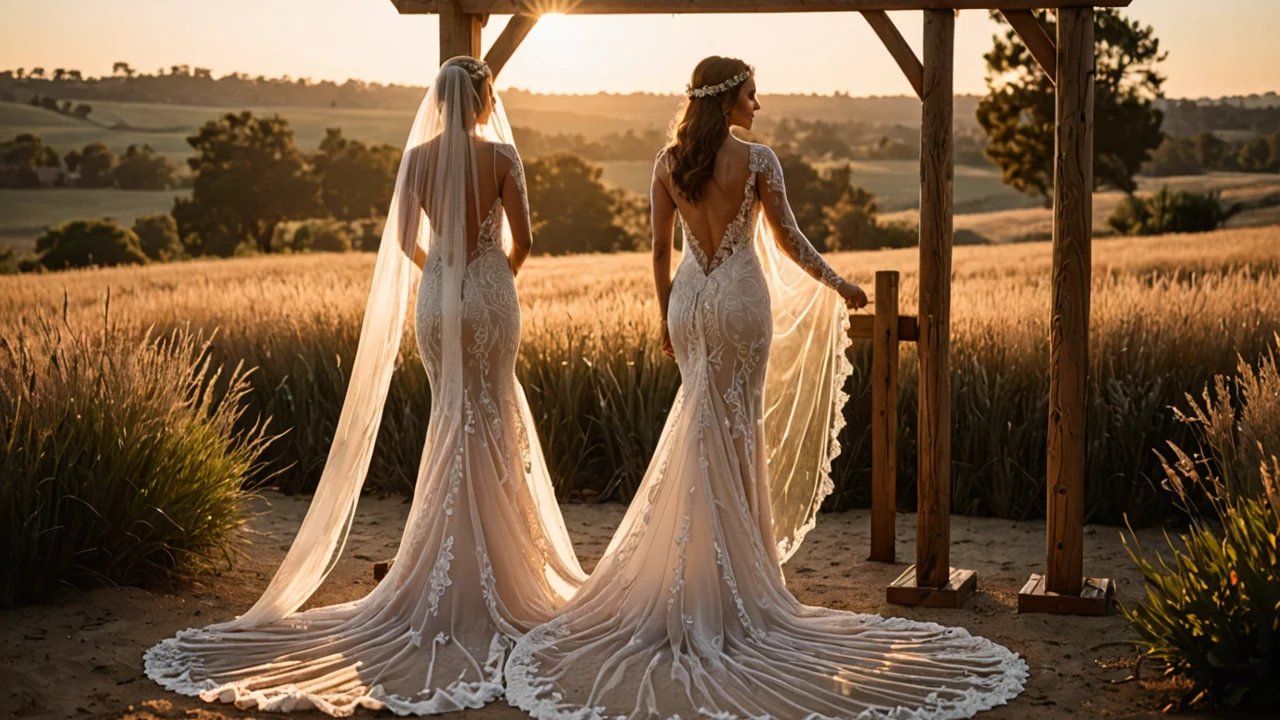
Season carries its own costs that do not appear on the venue quote. A summer wedding in a hot climate means shade, water and possibly air conditioning; a winter wedding means heating, earlier sunset and a compressed photography window. Sunset time is the constraint most couples discover too late: the portrait hour moves by hours across the year, and a ceremony timed without checking it lands the couple in the dark for the photographs they most wanted.
Vendors are booked in a fixed order, and the order is not arbitrary
Book the venue first, then the vendors whose absence would ruin the day, then the ones whose absence would merely disappoint. Venue, catering (often the same contract), photographer, officiant, then everything else. The reason is simple: the venue and the photographer are the two bookings that are hardest to replace on short notice, and the photographer is the one whose calendar fills first for the most desirable dates.
Photography is worth its own paragraph because it is the line item couples most often try to cut and most often regret cutting. A photographer is not a person with a camera; they are a person who knows where the light will be at four in the afternoon at that specific venue in that specific month, and who can herd a family of thirty into a photograph in under ten minutes. The cheap version of this is a friend with a good camera, and the failure mode is not bad photographs — it is no photographs of the parts of the day that happened fast. Ask to see a full wedding gallery, not a highlight reel, and look specifically at how the photographer handled the indoor, low-light, reception shots, because that is where the difference shows.
The officiant is the booking people forget and then panic about. Legal requirements for who can solemnize a marriage vary by jurisdiction, and a friend who is "ordained online" may or may not be able to sign the paperwork where you are marrying. Check the legal requirement before you ask someone, not after they have written a speech.
Catering and the venue usually travel together, and the contract is the place where the budget quietly grows. Service charge, staffing, cake-cutting fee, corkage, overtime — these are line items that get added after the per-head price has been agreed. Read the contract for what is not included, and ask what happens if the event runs long. Overtime rates for staff and venue are the most common surprise on the final invoice.
Everything after that — florals, music, hair and makeup, transport, stationery — can be sequenced by how far in advance the supplier needs to order. Florists need to know the season and the palette early because some flowers have to be ordered; a band needs to be booked early because there are only so many good ones; a dress needs months because it has to be made and altered.
The dress and the suit are logistics problems wearing clothes
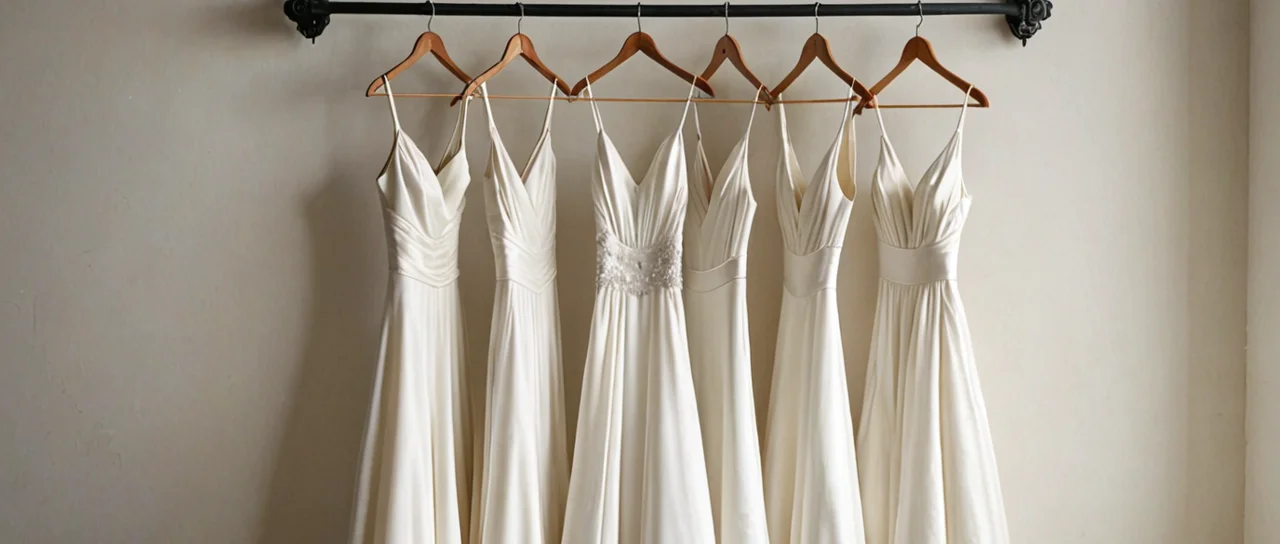
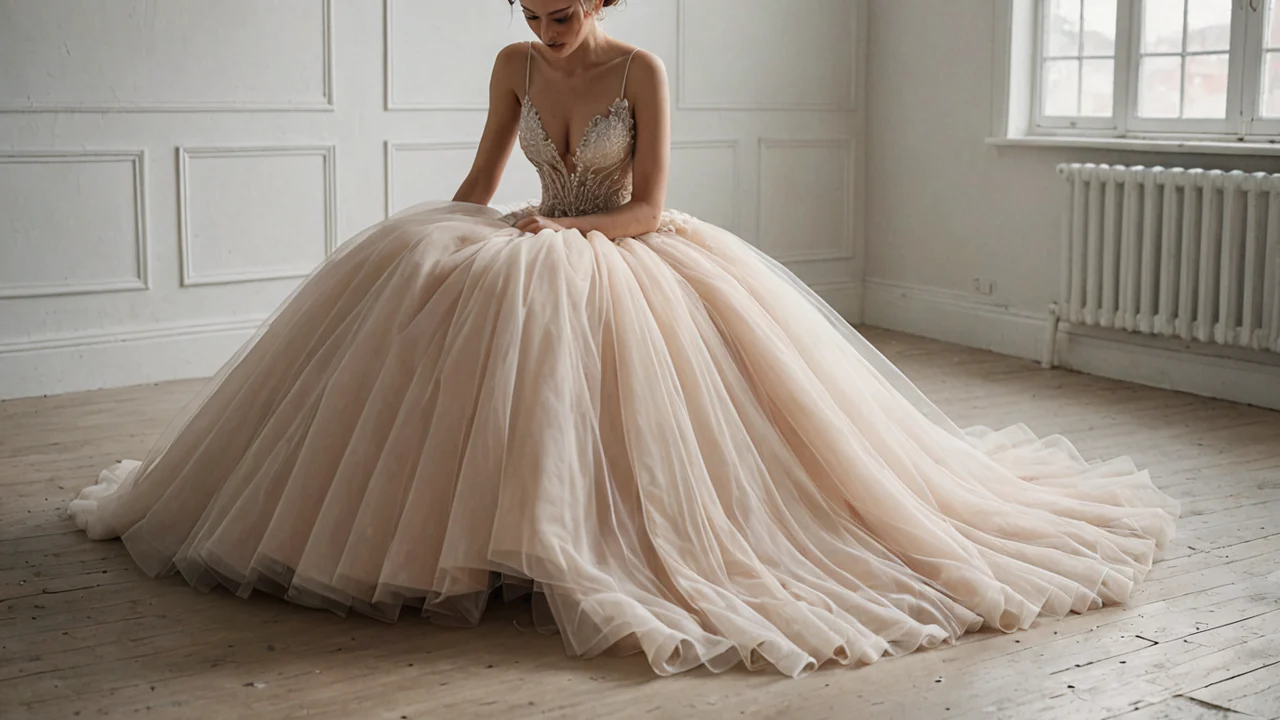
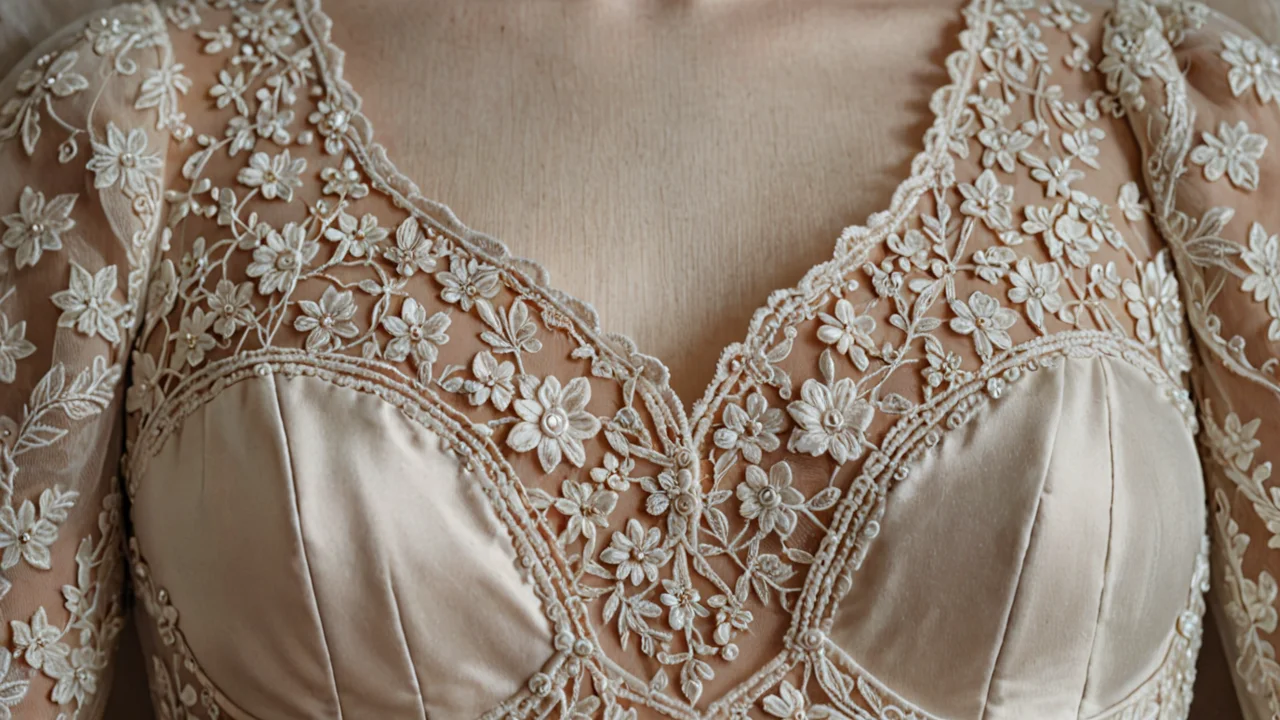
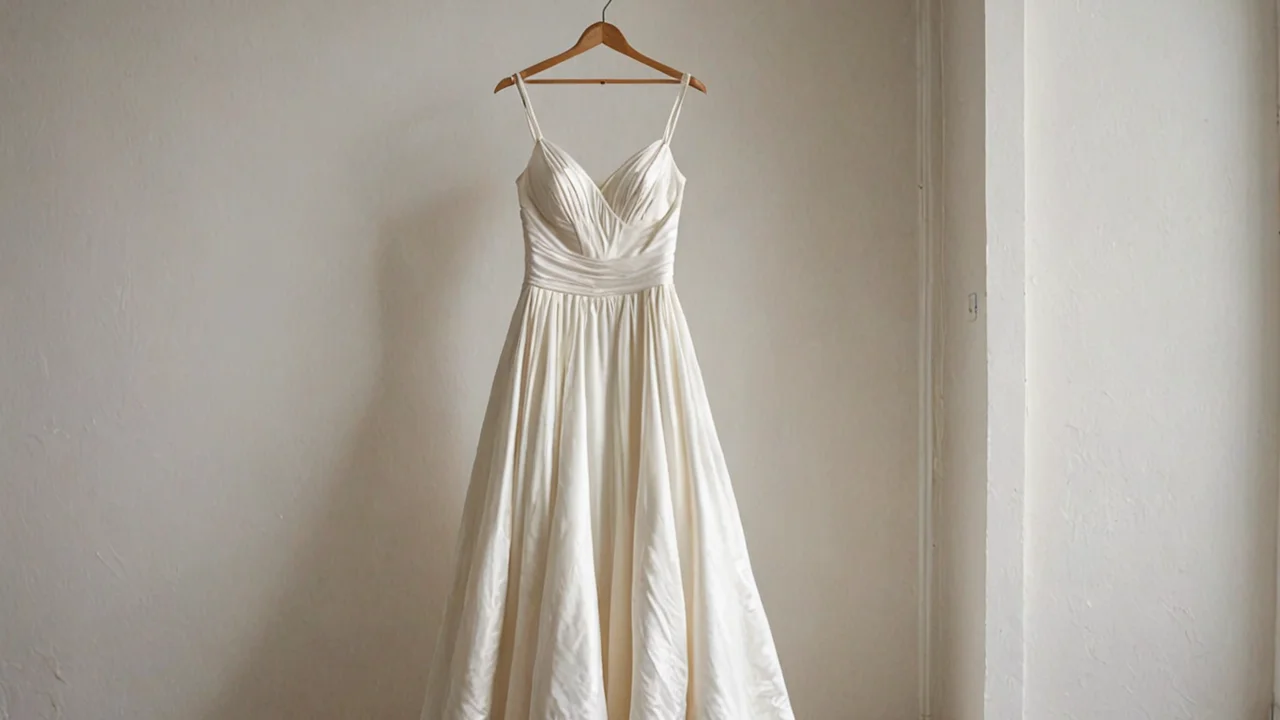
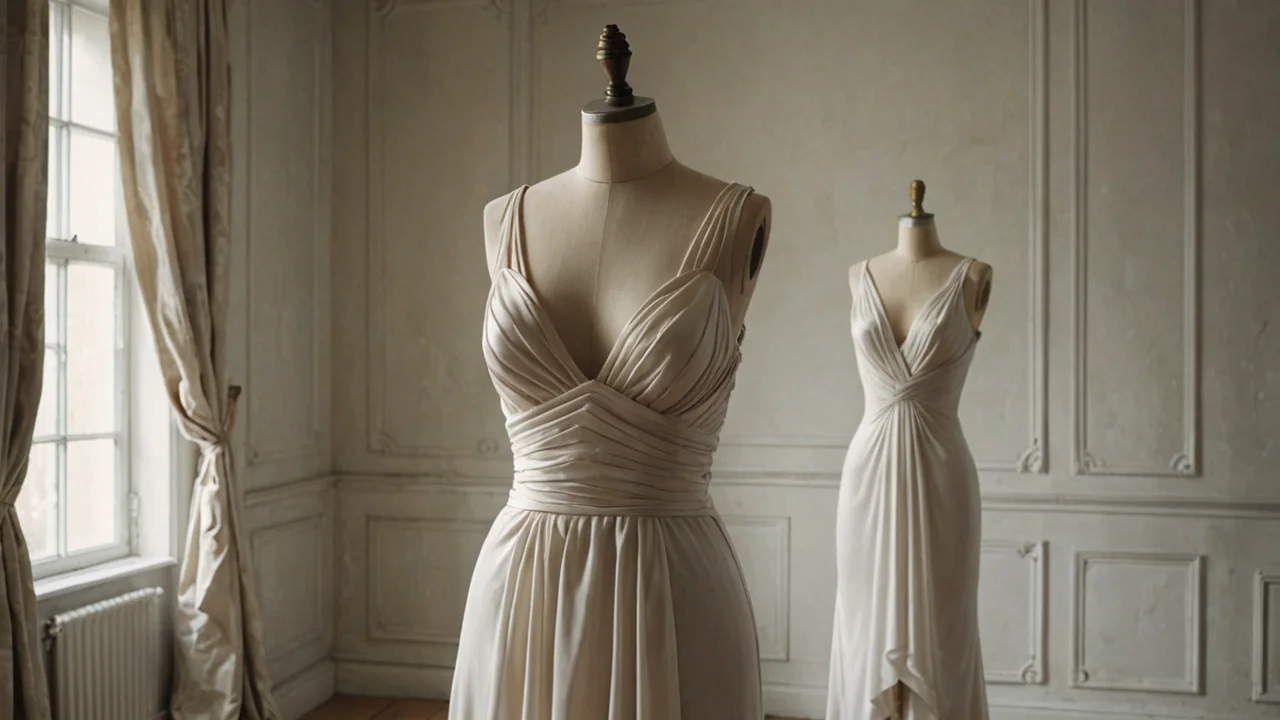
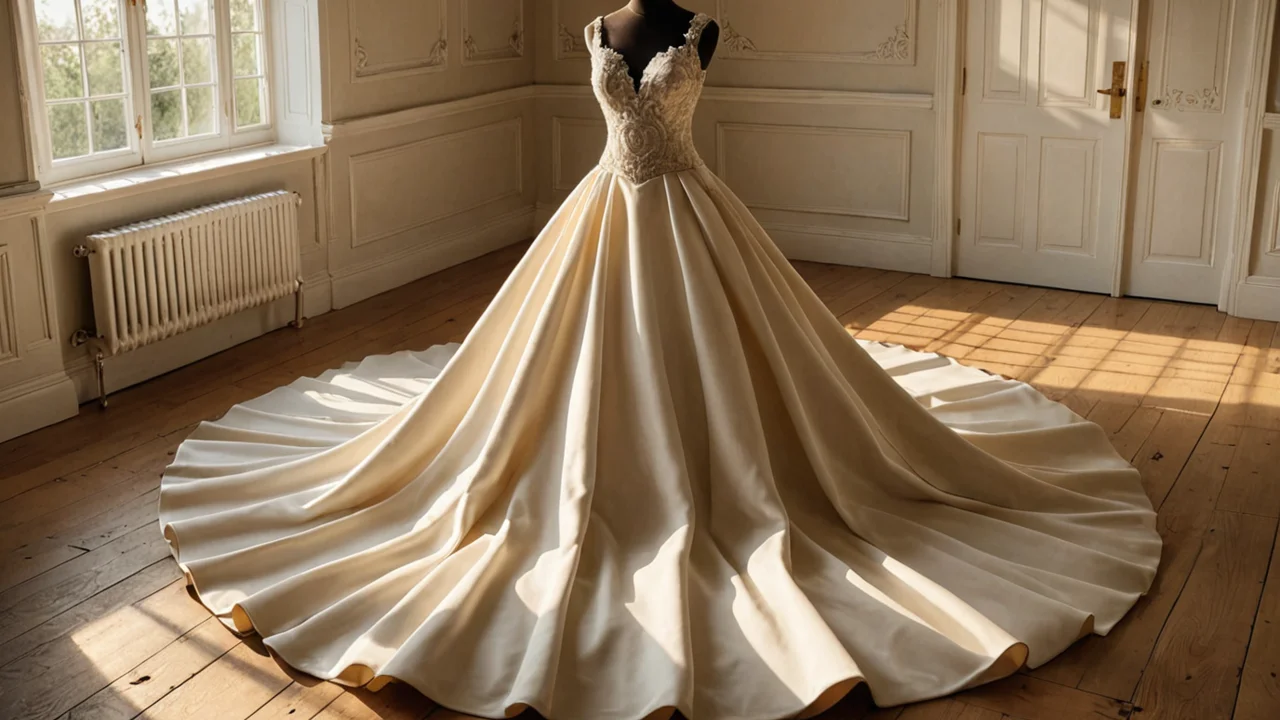
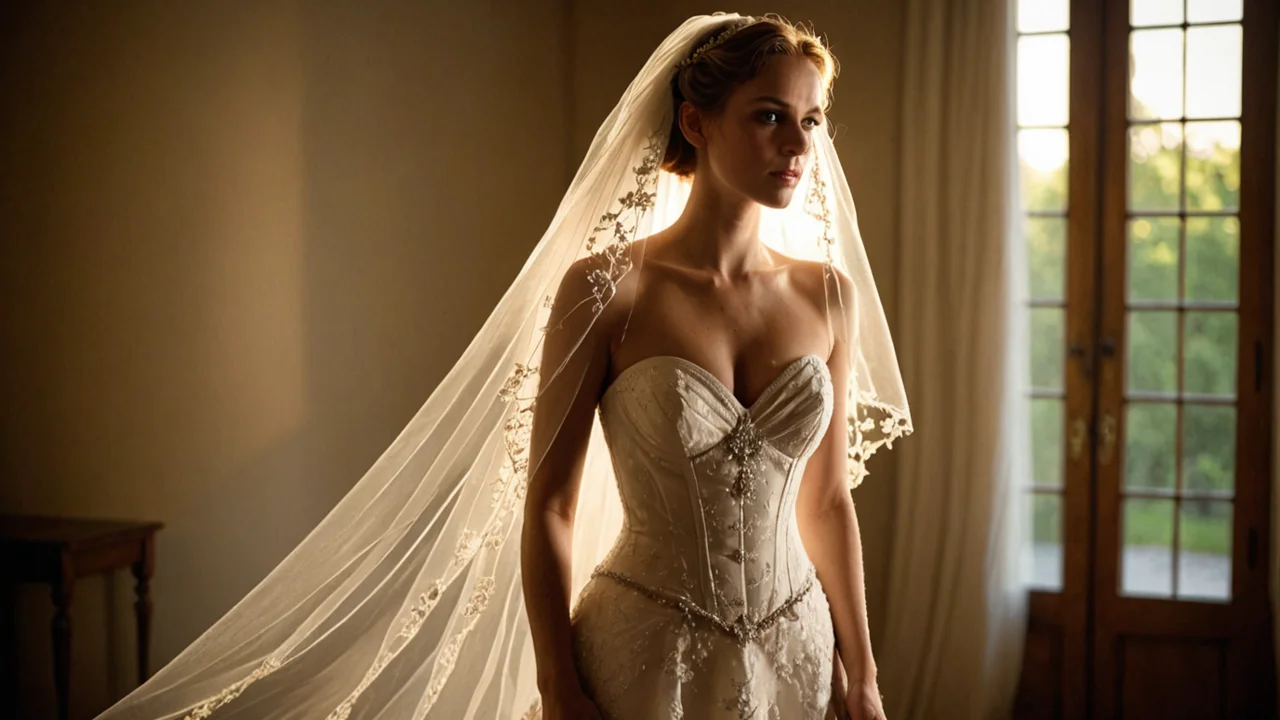
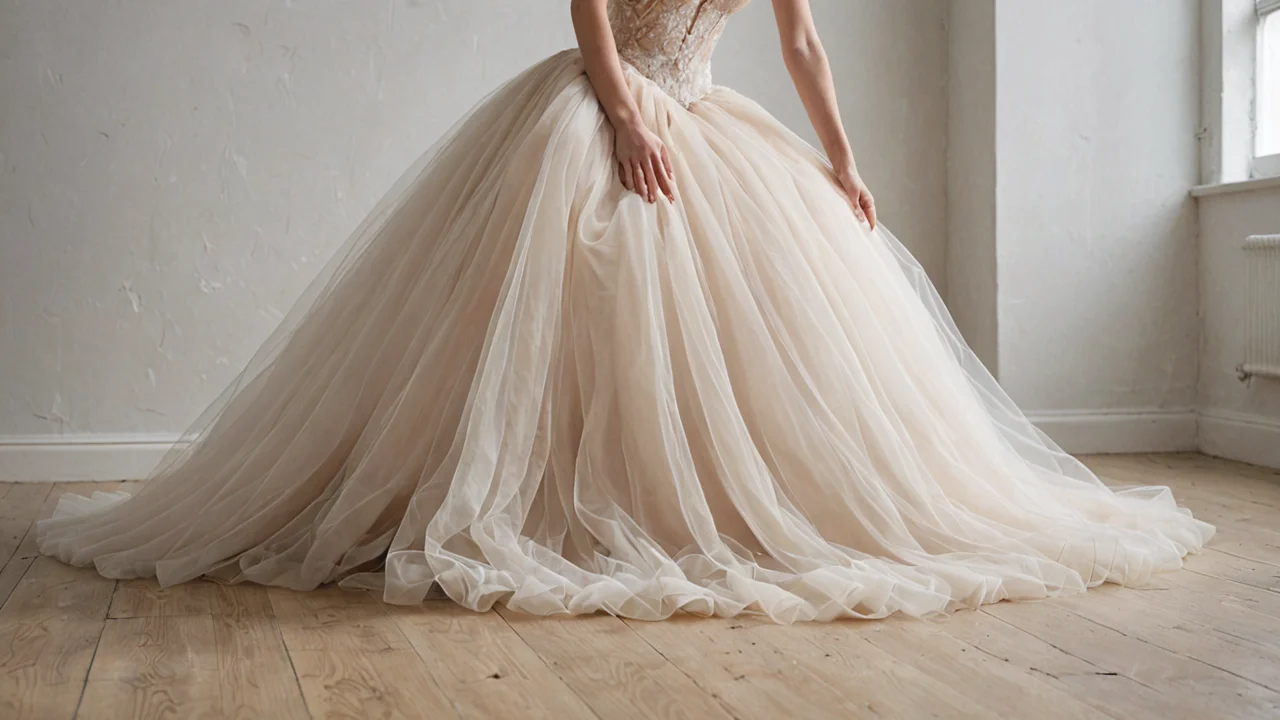
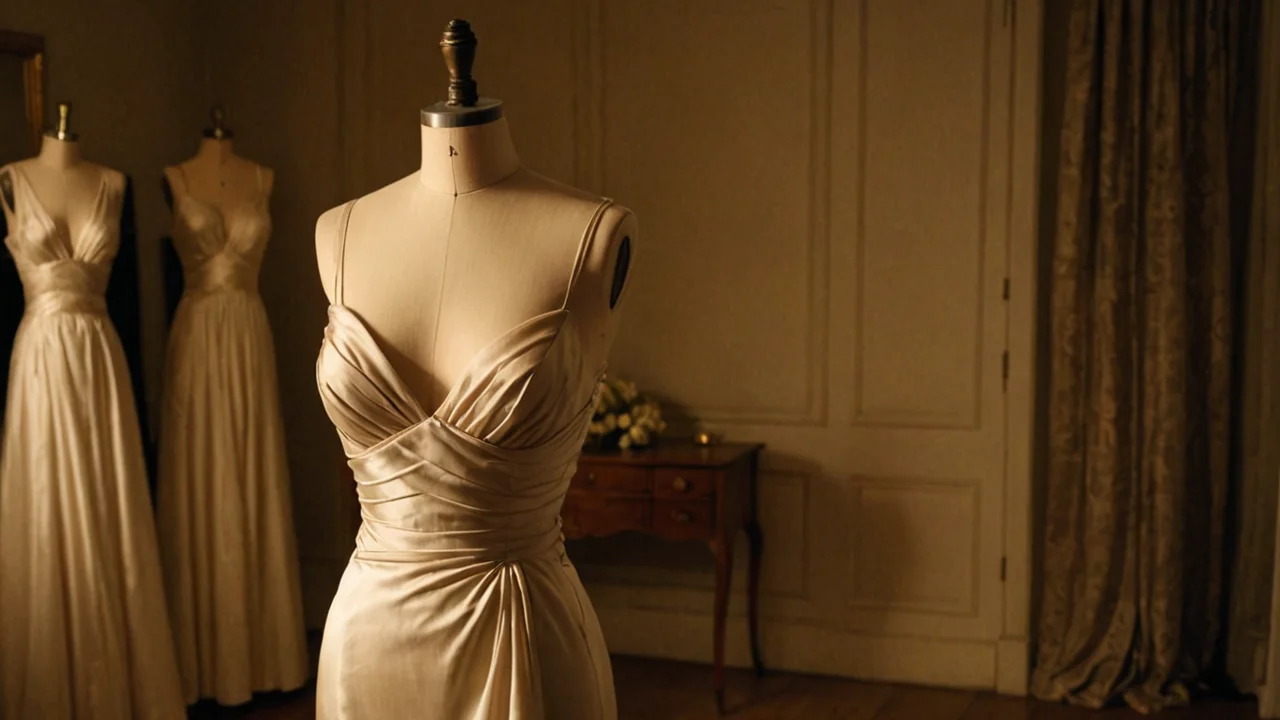
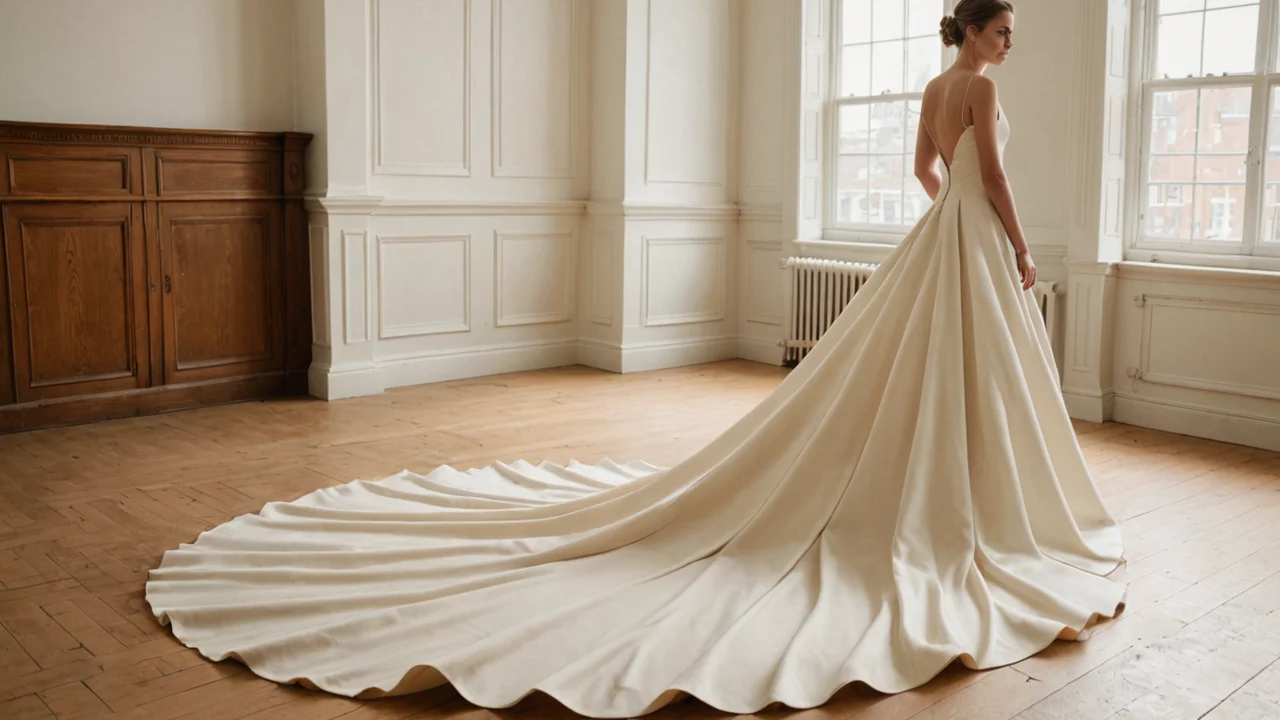
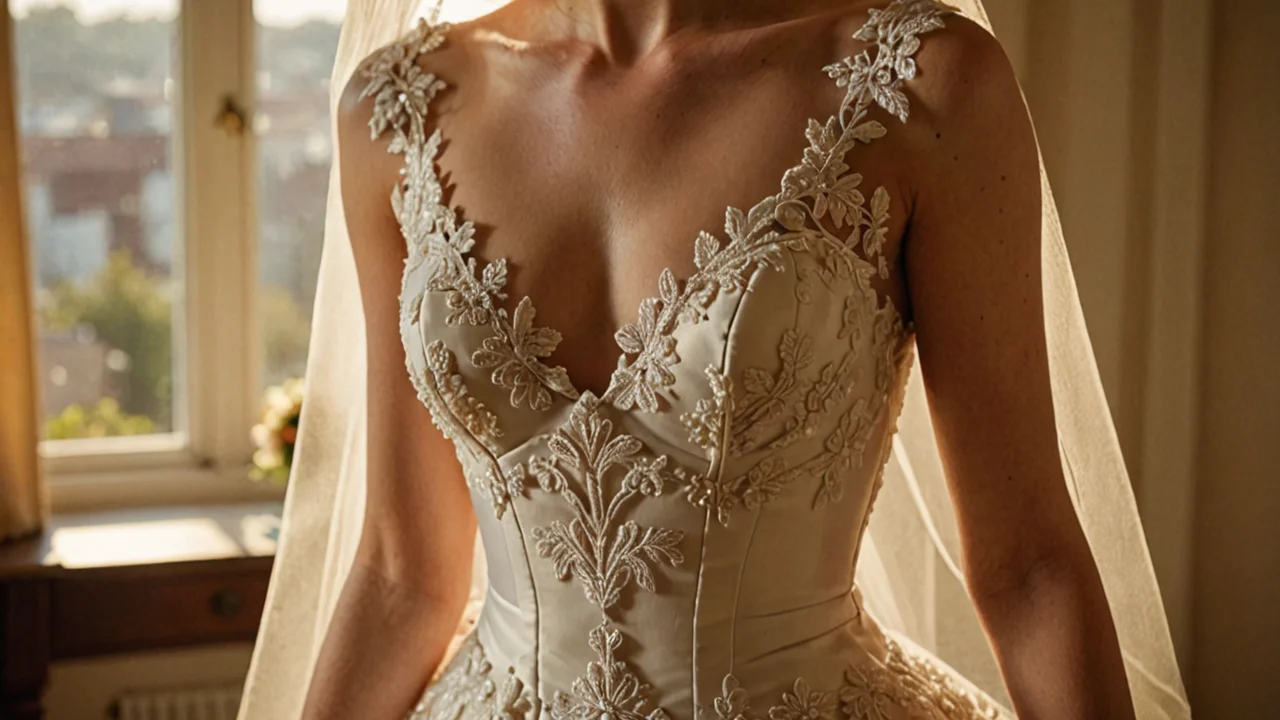
Wedding attire is bought or ordered months ahead because it has to be made, shipped and altered, and alterations are where the timeline actually breaks. A dress ordered late arrives just in time for the first fitting and not the second, and the second is the one that matters.
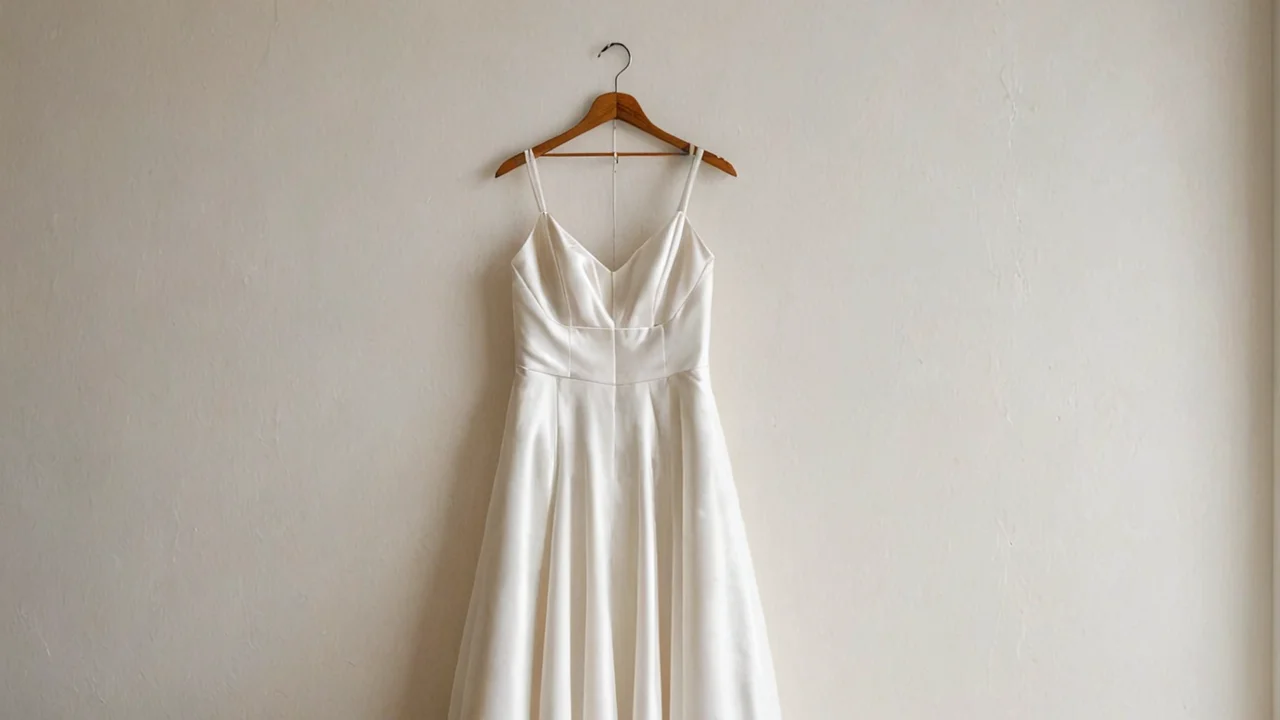
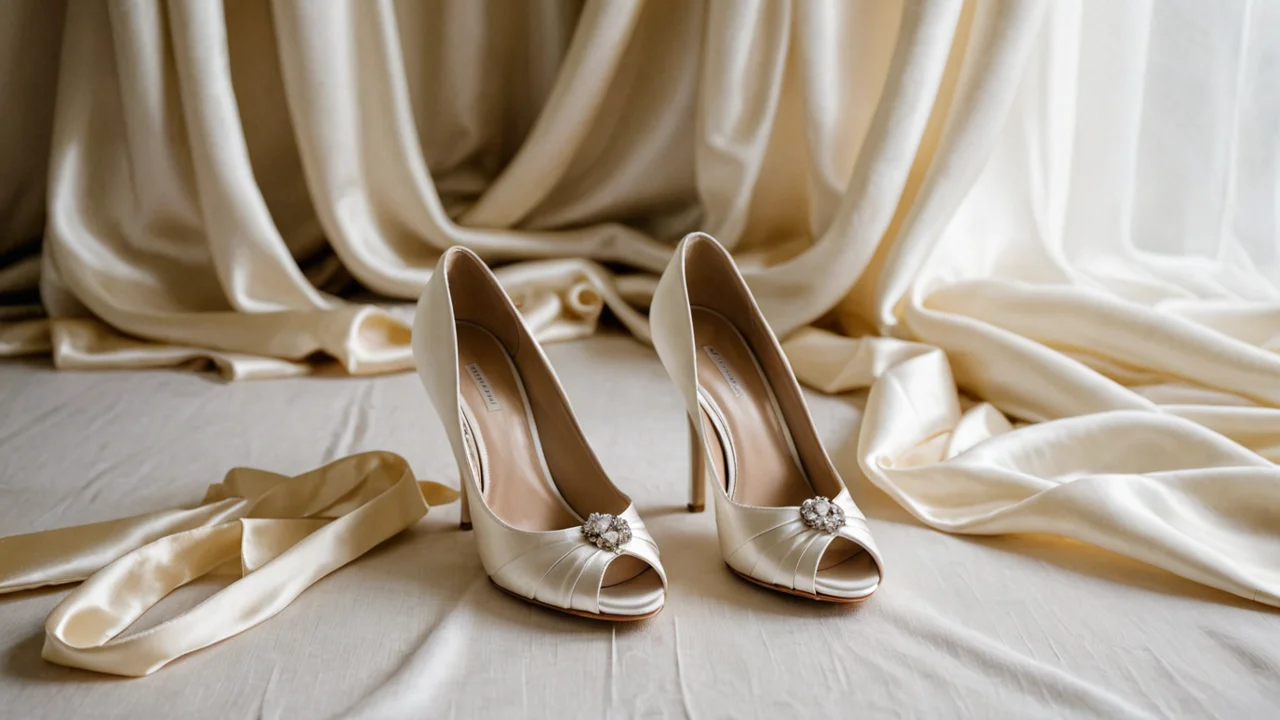
The order of operations for a dress: choose the silhouette against the venue and the season, order with enough lead time for production, then book alterations with a seamstress who has seen the dress. Alterations are not a single appointment; they are typically a series, and each one depends on the last. Shoes need to be bought before the hem is marked, because heel height changes the length. Underwear needs to be chosen before the fitting, because it changes the line. These sound trivial and they are the reason fittings get repeated.
The suit is the easier purchase and the more forgiving fit, but it has the same alteration logic: buy, then tailor, then leave time for a second fitting. A rented suit removes the alteration problem and adds a fit problem, because rental fits are approximations. If the wearer is between sizes or has an unusual build, buying and tailoring is usually the better trade even at higher cost.
Season matters here in a way that is easy to miss. A heavy fabric in a hot month is misery for the wearer and shows in every photograph. A light fabric in a cold month means a coat, and a coat changes the silhouette. If the ceremony is outdoors, the attire has to work for the temperature at the hour of the ceremony, not the hour of the getting-ready.
The budget is a ranking, not a total
A wedding budget is not a number you spend down; it is an ordered list of what you will not compromise on, with everything else priced against it. Couples who set a total and then allocate it line by line end up negotiating every decision twice. Couples who rank their priorities first — the thing they will spend on, the thing they will happily do cheaply — make the same number of decisions in half the time.
The categories that eat the budget, roughly in order of size: venue and catering together, then photography, then attire, then florals and décor, then music, then stationery and the small stuff. The small stuff is where budgets leak, because each item is individually cheap and collectively significant — favors, welcome bags, signage, the extra hour of the band, the second dress for the after-party. None of these is wrong to spend on; all of them are wrong to spend on by default.
There are three honest ways to reduce a wedding budget, and only three. Reduce the guest count, because cost scales with heads. Move the date to a lower-demand day or season, because venue pricing is demand pricing. Cut a category entirely rather than shaving every category, because a shaved category still costs money and delivers a compromised version of the thing. Shaving the florals by a third gets you fewer, smaller arrangements that look like a budget was applied. Cutting florals entirely and spending the money on the photographer gets you a wedding that looks the way you wanted it to look.
The cost people underestimate is the cost of the decisions themselves — the deposits that are non-refundable, the contracts with cancellation terms, the vendors who book a date and turn away other work. A deposit is a commitment, and the reason to sequence decisions carefully is that each one narrows the next. The couples who come out of a wedding feeling good about the money are not the ones who spent least; they are the ones who decided what mattered before they started signing.
One last thing about the rings, since they bookend the whole process. The engagement ring is bought in a moment of optimism, often before any of the planning has started, and it is the only wedding purchase made without a deadline. That makes it the easiest one to overpay on and the easiest one to get right, if you decide the budget before you walk into the store and refuse the salary rule when it is offered. The wedding ring is bought later, under time pressure, and it is the one you will still be wearing when every other object from the day has been packed away. Spend accordingly — which usually means less on the first and more on the second than the advice suggests.