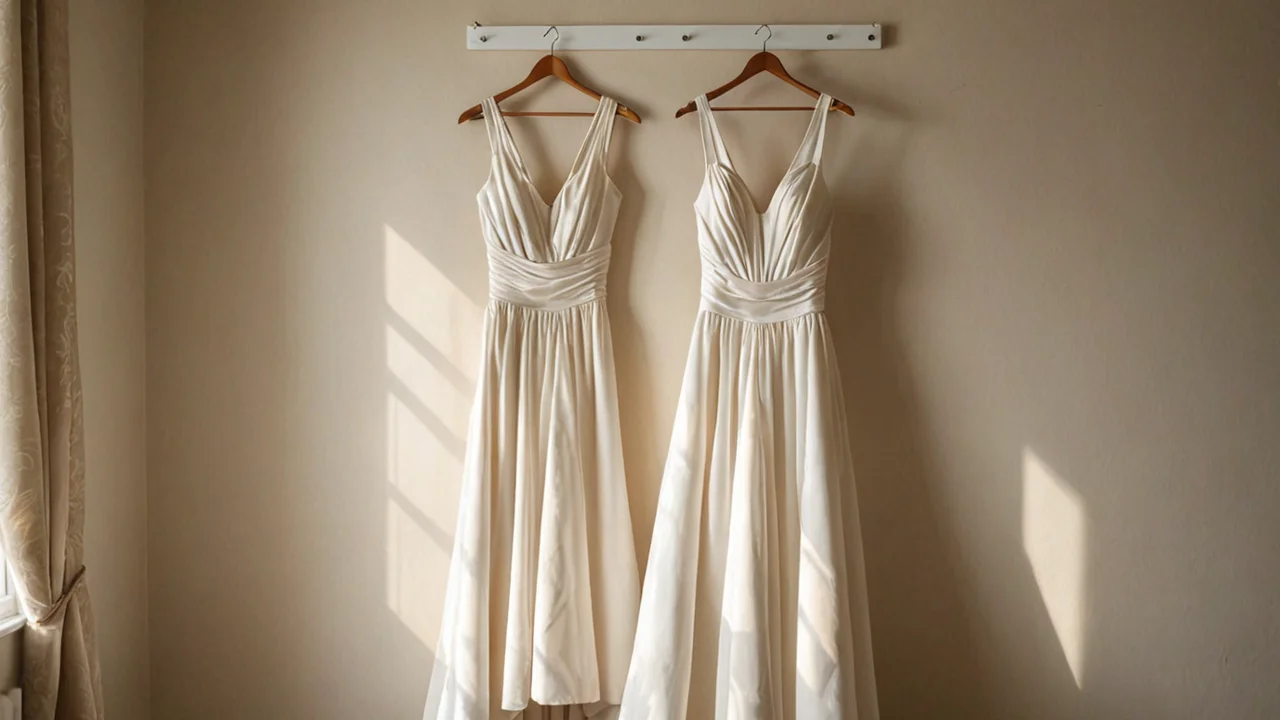
A bridal silhouette is the outline a wedding dress makes from across a room, and it is decided by four things: where the waistband sits, how much volume the skirt carries, how the bodice is structured, and how long the hem runs. Everything else — lace, beading, sleeve shape, neckline — is decoration layered on top of that outline. If you get the silhouette right, the details can be almost anything. If you get it wrong, no amount of detailing rescues the dress in photographs.
The five silhouettes, and what actually separates them
There are five silhouette families in bridal: ball gown, A-line, mermaid (also sold as trumpet), sheath, and fit-and-flare. The distinctions come down to two measurements — where the skirt begins to flare, and how dramatically it flares from there.
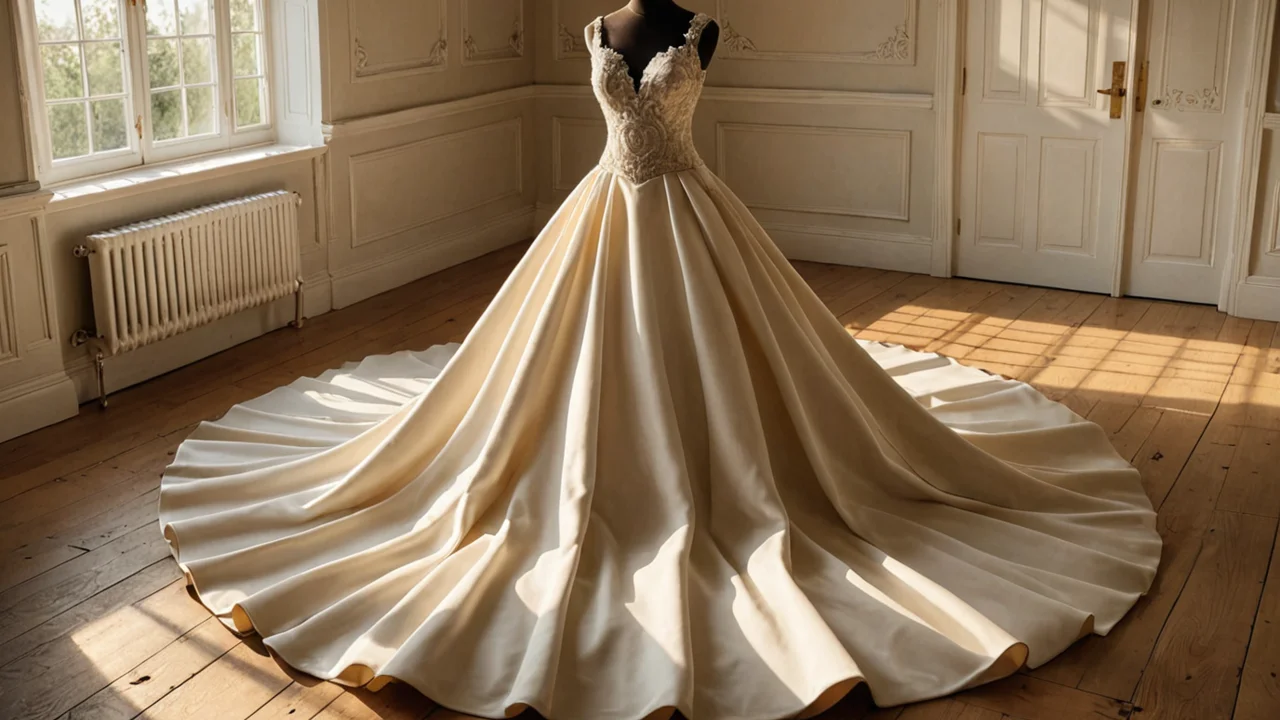
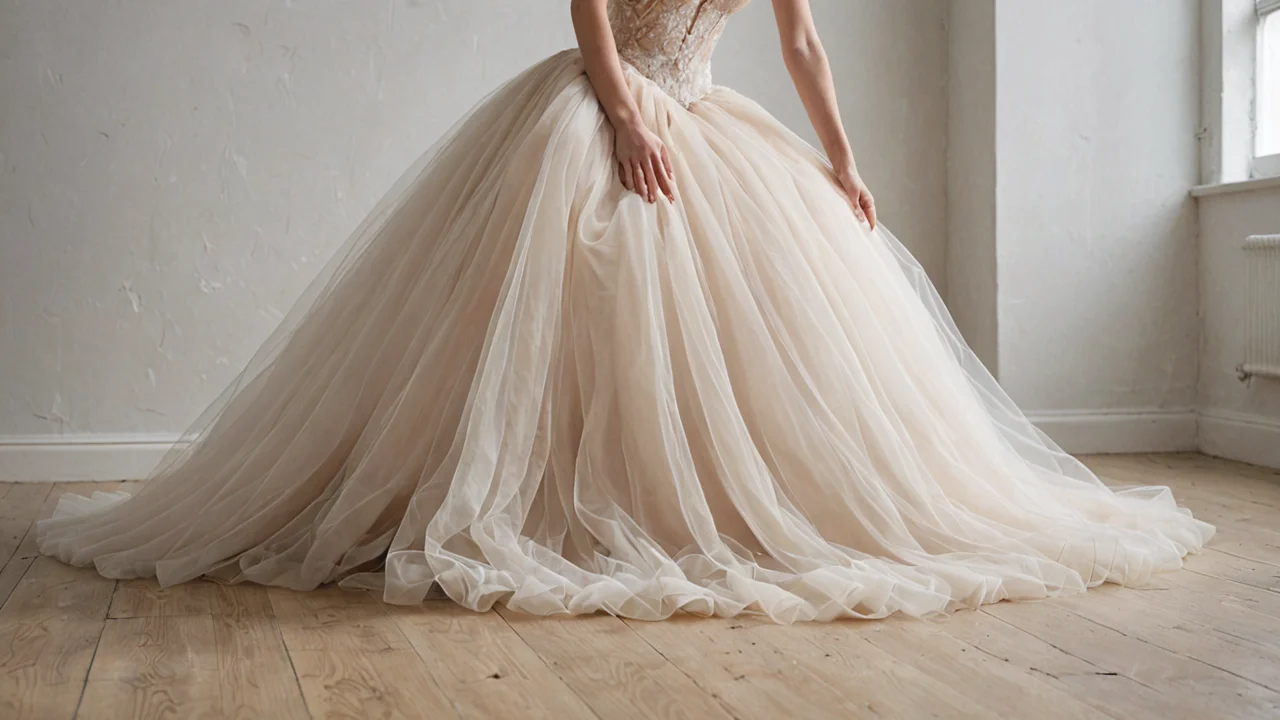
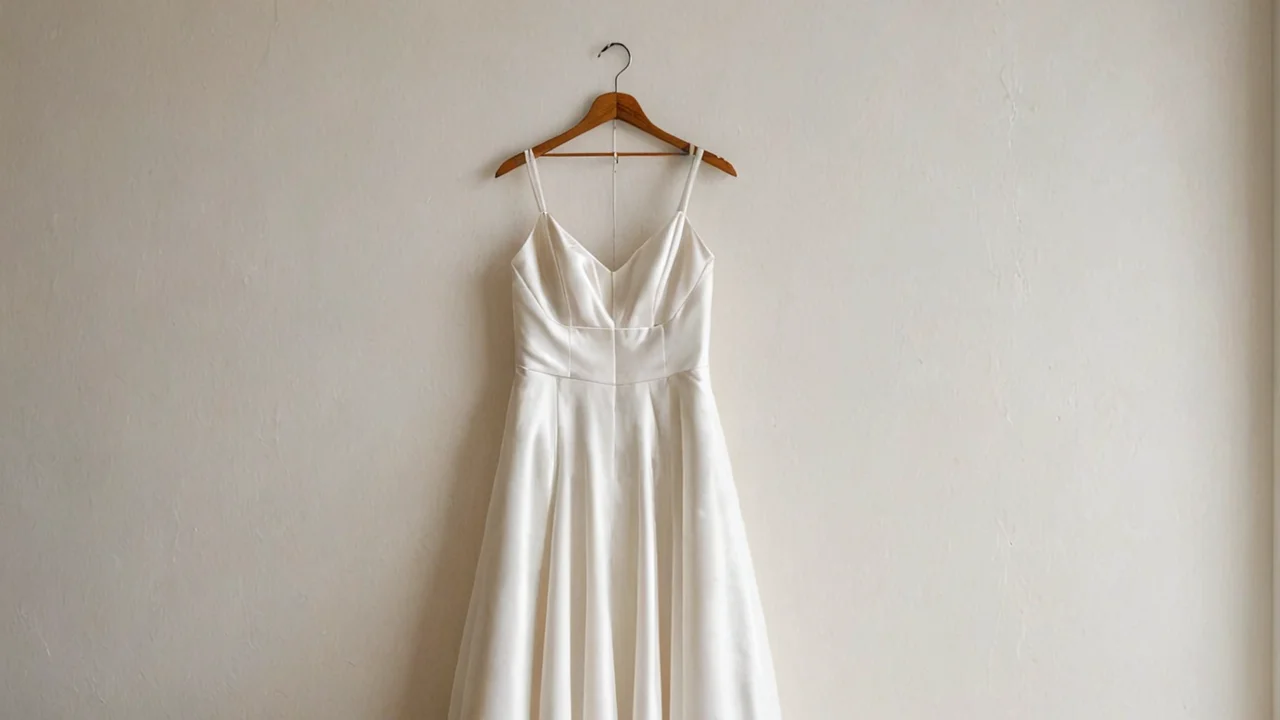
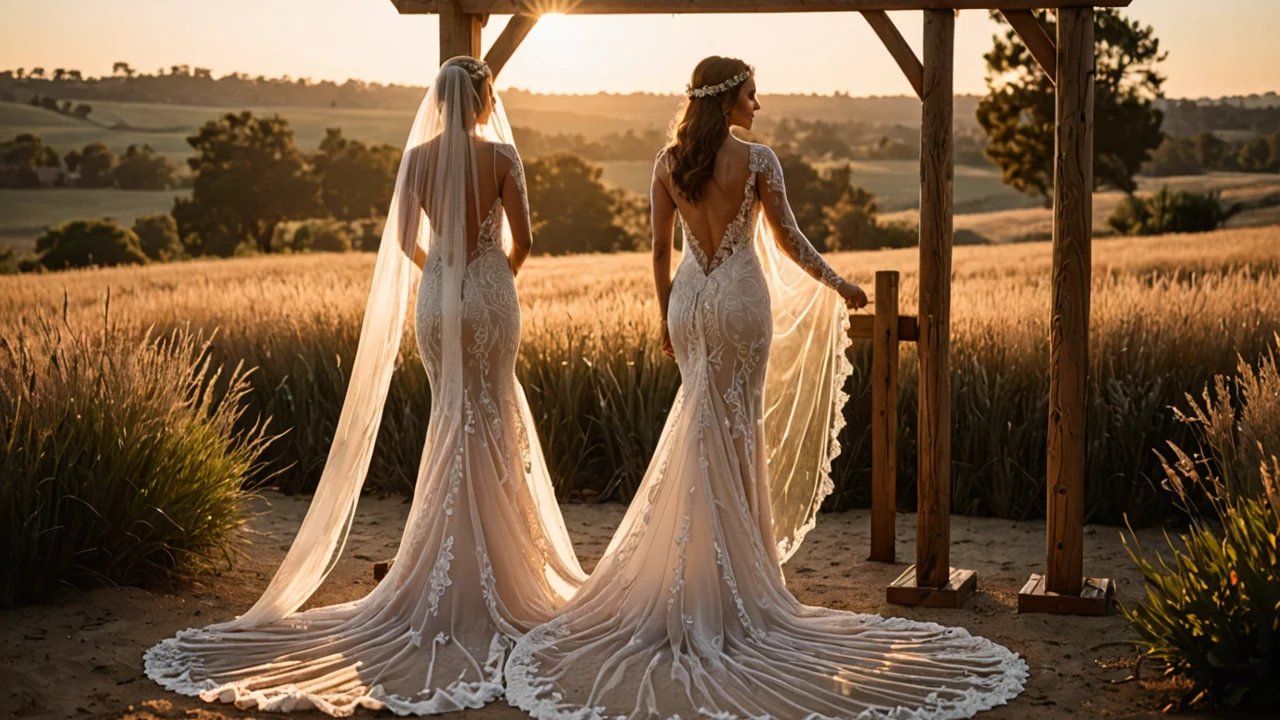
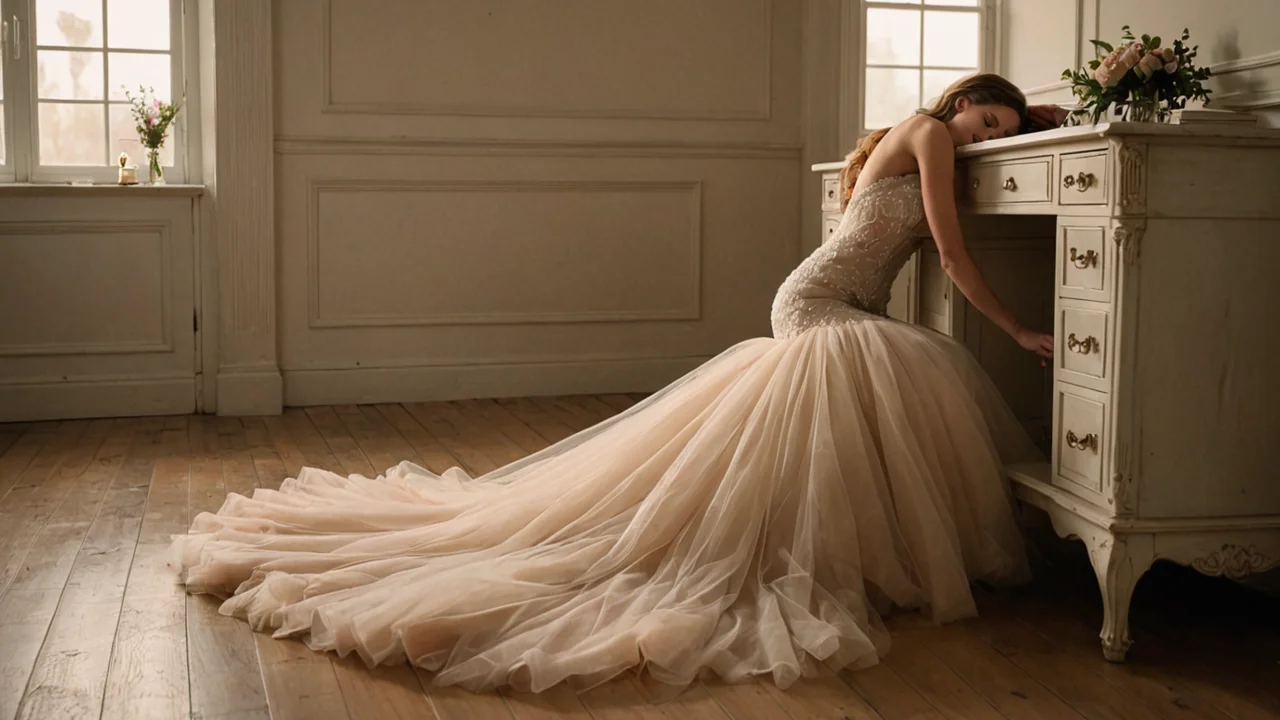
Ball gown has a fitted bodice and a full skirt that begins flaring at the natural waist. It is the most structured option and the heaviest. A-line also flares from the waist but gradually, skimming the hip and widening to the hem in a continuous line; it is the most forgiving shape made and the one most brides end up in when nothing else works. Fit-and-flare hugs through the hip and thigh and kicks out somewhere around mid-thigh to the knee. Trumpet is a fit-and-flare with a longer, more gradual flare, usually starting closer to the knee. Mermaid is the extreme version — tight from chest to just below the knee, then a sharp flare. Sheath follows the body's line all the way down with no flare at all.
The trade-off is mobility against drama, and it is not subtle. A ball gown with a full crinoline is genuinely hard to walk in, hard to sit in, and hard to use a bathroom in without help. A mermaid restricts your stride to roughly the length of your lower leg — you will take small steps all day and you will feel it by the reception. A sheath lets you move like a person. Brides who choose the mermaid for photographs and then complain about the reception are usually describing a dress they never walked a full room in during the fitting.
The line between trumpet and mermaid is genuinely blurry across designers — some houses use the terms interchangeably. Don't argue labels with a consultant; describe what you want in terms of where the flare starts on your body and how wide it gets.
Your body shape matters less than your proportion and your venue
The most useful thing you can do before a single appointment is measure your torso length — shoulder to natural waist — and your height. These two numbers predict which silhouettes will sit where the designer intended, and they matter far more than the shape categories bridal magazines push.
A dropped waist on a short-torsoed bride puts the horizontal seam across the widest part of the hip and shortens the leg line. A natural waist on a long-torsoed bride can land at the wrong spot entirely, making the bodice look short. A ball gown with a defined waistband adds visual length to a short torso; a sheath with a low back does the same thing differently. None of this is about being thin. It is about where horizontal lines fall.
Height changes the calculus too. A petite bride in a full ball gown can disappear inside the skirt — the dress wears her. A tall bride in a sheath can look underdressed next to a formal wedding party. The fix in both directions is proportion: a shorter bride in a ball gown wants a smaller skirt circumference and a higher waist; a tall bride in a simple silhouette wants a dramatic neckline or sleeve to hold the frame.
Then there is the venue, which brides routinely ignore until it's too late. A mermaid on a beach or in a garden with gravel paths is a mistake — the hem picks up everything and the tight skirt makes uneven ground dangerous. A ball gown in a small city venue with narrow doorways and tight aisles will not physically fit down the aisle at full width. A sheath in a cathedral looks plain in photographs because there's nothing for the eye to catch at distance. Match the volume of the dress to the volume of the room.
The order of decisions, and why it is not the order you think
Decide the silhouette first, the fabric second, the neckline third, and the embellishment last. Most brides do this backwards — they fall in love with a beaded illusion sleeve or a cathedral train and then try to find a silhouette that accommodates it. That is how you end up in a dress that fights your body.
Fabric drives silhouette more than any other variable. A ball gown in crisp taffeta holds its shape; the same pattern in silk charmeuse collapses. A mermaid needs a fabric with stretch or a stiff structure underneath, or it will wrinkle across the hip every time you sit. A sheath in heavy duchess satin reads as armour; the same sheath in crepe reads as modern. If you have chosen a silhouette and the sample in the shop looks wrong, ask what the sample is made of before you reject the shape.
The neckline comes third because it is the single biggest lever on how the bodice looks in photographs, and it is easy to change without changing the outline. A sweetheart softens a strong jaw; a high halter lengthens a short neck; a scoop opens the chest and works on almost everyone. Sleeves and straps are structural — they change how the bodice supports you, so decide them before the final fitting, not after.
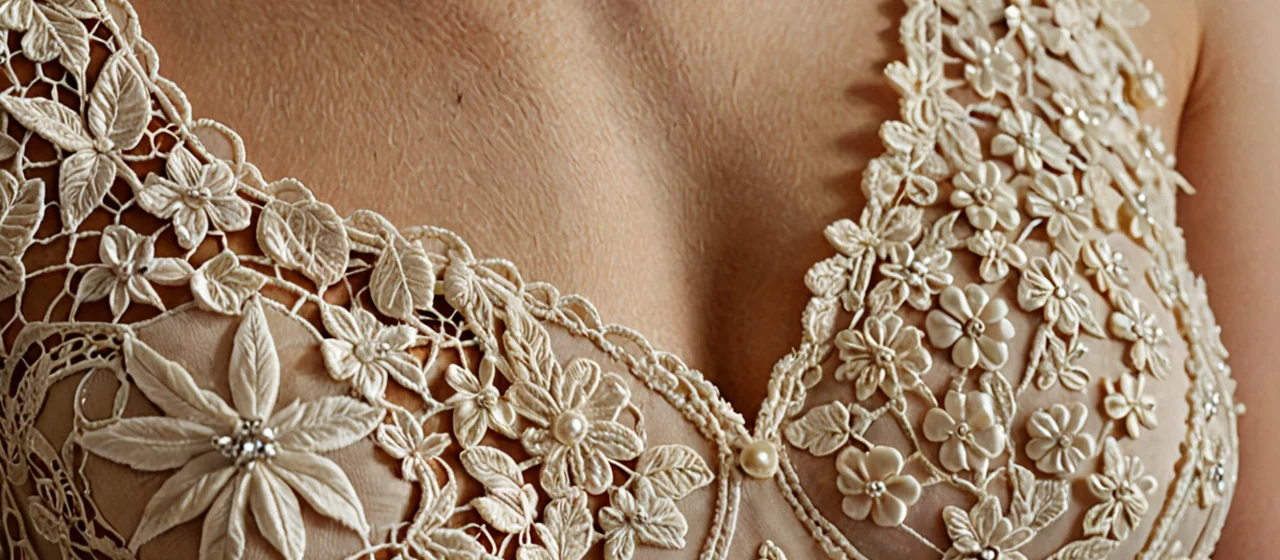
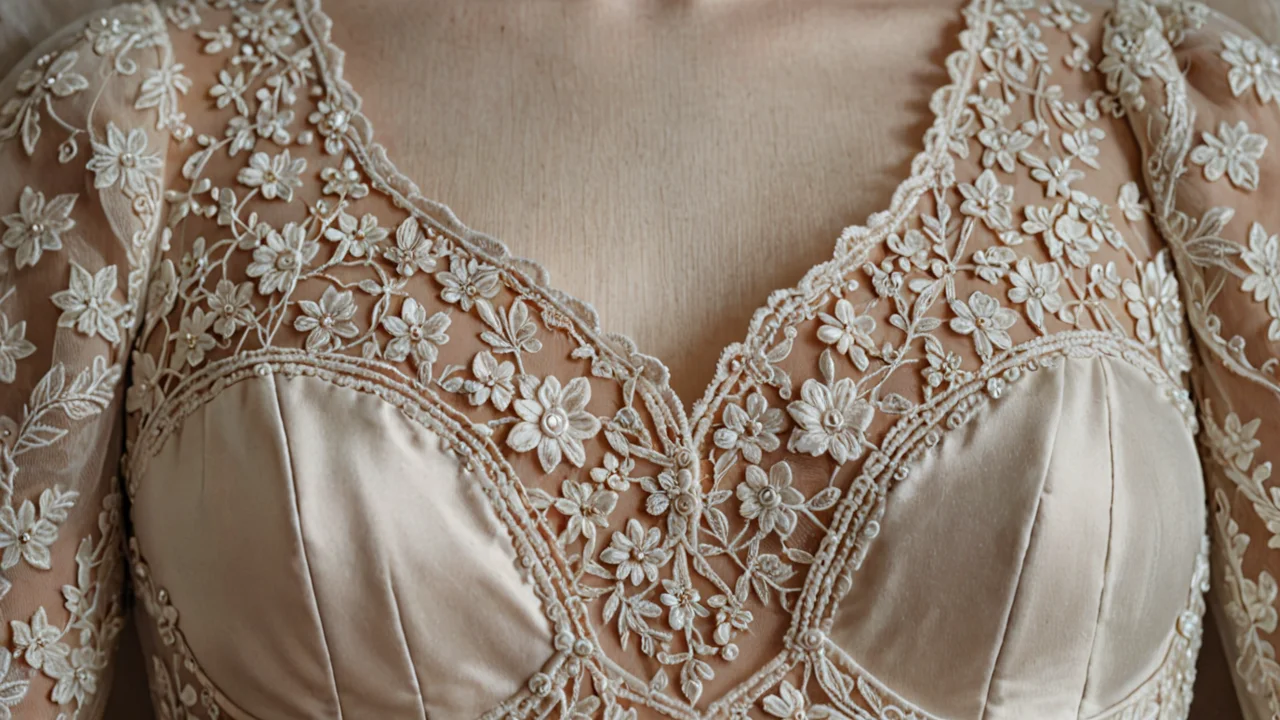
Embellishment is genuinely last. Beading, lace appliqué, embroidery, and three-dimensional florals all add weight. A heavily beaded mermaid can weigh several times what an unadorned crepe sheath does, and you will feel every ounce by hour six. If you want both drama and comfort, put the embellishment on the bodice and keep the skirt clean.
What each silhouette costs you in money, time, and fittings
Silhouette does not set the price, but it strongly predicts it. Ball gowns use the most fabric and the most structure — a full skirt with a crinoline, a boned bodice, and a hem that runs many metres around. Mermaids need the most precise fitting because there is no slack anywhere; every alteration is on a curve. Sheaths use the least fabric but the least forgiving construction — there is nowhere to hide a seam that doesn't sit flat.
| Silhouette | Fabric demand | Alteration difficulty | Mobility | Best suited to |
|---|---|---|---|---|
| Ball gown | Highest | Moderate — hem is long but seams are straight | Low | Formal venues, full rooms, brides who want drama over ease |
| A-line | Moderate | Easiest | Moderate to high | Almost everyone; the safe choice when nothing else works |
| Fit-and-flare | Moderate | Moderate — hip curve is unforgiving | Moderate | Brides who want shape without full mermaid restriction |
| Trumpet | Moderate to high | Hard — long flare means long seams | Low to moderate | Tall brides; brides who want a dramatic exit line |
| Mermaid | High | Hardest — every curve must be exact | Lowest | Photographs, not dancing |
| Sheath | Lowest | Hard — no slack to hide anything | Highest | Civil ceremonies, city weddings, second dresses, dancing |
The practical consequence is fitting count. A ball gown or A-line usually needs two to three fittings after the initial order. A mermaid or trumpet often needs more, because the hip and knee have to be taken in millimetre by millimetre and re-fitted after each adjustment. Budget your time accordingly — a tight mermaid ordered late is the single most common reason a bride ends up in a dress that doesn't quite fit on the day.
There is also a hidden cost in underpinnings. A ball gown needs a crinoline or petticoat; a strapless bodice of any silhouette needs a properly fitted longline bra or built-in corsetry; a mermaid needs shapewear that doesn't create a ridge at the flare. None of this appears on the dress price tag and all of it affects how the silhouette reads.
How to try silhouettes without wasting appointments
Book a single appointment at a shop that stocks all five shapes and try one of each in your size range before you look at a single detail. Most brides who arrive at the right dress quickly did this; most who spend months shopping skipped it and kept trying variations of the same wrong shape.
When you try each one, do four things: walk the length of the room, sit down, climb a short flight of stairs, and stand still for a photograph taken from across the room. The photograph is the test that matters, because that is how the dress will be seen. A silhouette that looks wonderful in the mirror at close range can read as shapeless at distance, and the reverse is also true.
Bring the shoes you intend to wear, or shoes of the same heel height. A ball gown hem is cut to a specific heel; changing the heel after the fitting means re-hemming, which on a full skirt is expensive. Bring the underwear you intend to wear, too, because the bodice fit depends on it.
Be honest about the day itself. If you plan to dance, a mermaid is a poor choice and you already know it. If your ceremony is outdoors on grass, a full ball gown hem will be destroyed. If you have a long aisle, a sheath will read as understated from the back of the room. The dress has to work for the day you are actually having, not the one in the photographs you saved.
Where the ring fits into the picture
The silhouette conversation is about the dress, but the ring is part of the same visual story and it is worth deciding early, because it affects what your hands look like in every photograph. In most Western cultures the engagement ring is worn on the fourth finger of the left hand — the ring finger — and the wedding ring is exchanged in the ceremony and worn alongside it afterward. That placement is customary rather than universal, and it is worth knowing before you buy a band that won't sit flush against a raised setting.
The practical decision is set height. A high-profile engagement ring leaves a gap under the band, and a straight wedding band will not sit against it. The fixes are a curved band, an open band, or wearing the two on separate hands. Decide this before you choose the wedding ring, not after — a curved band made to fit an existing ring is a custom order and takes time.
Budget guidance on the engagement ring is where a lot of couples get stuck, because the old rules of thumb still circulate. The most commonly repeated figure is three months' salary, and an older benchmark cited in consumer advice is one month's pay. Neither is a rule; both are historical conventions, and the modern version of the advice is that the figure should be whatever you can spend without borrowing. Treat the numbers as a ceiling to argue with, not a target.
The silhouette of the dress and the silhouette of the ring should agree on one thing: scale. A very delicate band on a hand emerging from a heavy beaded sleeve looks lost; a large stone on a bride in a clean crepe sheath looks like the only thing in the frame. Try the ring on with the dress, or at least with a sleeve of similar weight, before you commit. It is a small thing that shows up in every close-up.
Straps, sleeves, and the shoulder line that changes the read
Shoulder treatment is the fastest way to move a silhouette between categories without changing the skirt at all. A strapless ball gown and the same gown with a cap sleeve read as different dresses across a room, because the eye picks up the horizontal line at the shoulder before it registers the hem. Spaghetti straps sharpen an A-line into something more modern; a wide scoop or a bateau neckline broadens the shoulder line and balances a full skirt; an off-the-shoulder ruffle adds width where a mermaid needs it to keep the top half from looking pinched against the flare below.
What goes wrong is treating straps as an accessory rather than structure. A thin strap on a bodice built to be strapless carries no weight and will dig in by the reception; a sleeve added to a strapless sample has to be anchored to the bodice's boning or it pulls the neckline sideways every time you raise your arm. Ask the fitter whether the strap is load-bearing before you fall for it. Detachable straps and toppers are the honest compromise — they give you the photographed shoulder line for the ceremony and let you strip the dress down for dancing, at the cost of a second look to manage on the day.
Petite and tall: where the horizontal lines land
Petite brides should look at the distance from shoulder to waist before anything else, because most samples are cut for a taller frame and the waist seam will sit below your natural waist, dropping the whole proportion. A petite bride in a dropped-waist ball gown is the classic casualty — the seam lands on the hip and the leg line shortens. The fix is a higher waistband and a smaller skirt circumference, not a different silhouette family.
Tall brides have the opposite problem: a natural waist cut for an average torso rides high, the bodice looks cropped, and a plain sheath gives the eye nothing to stop on. A dramatic neckline, a sleeve, or a defined waistband restores the balance. In both directions the alteration is the same conversation — where does the waist seam sit on your body — and it is worth having it before you order, because moving a waistband on a structured bodice is real work.