


Occasions and details is the layer of a wedding that runs from the proposal to the last vendor load-out: the ring on the hand, the invitation in the mailbox, the ceremony script, the favors nobody takes home. It is the part of planning where the big decisions (budget, guest count, venue) have already been made and the remaining choices are numerous, cheap individually, and expensive in aggregate. Most couples find the venue and the caterer first and then spend months on this layer, because it is where taste shows and where relatives have opinions. The work is real and it is mostly sequencing: some details must be locked before others can even be priced.
The engagement ring sets the tone for everything that follows
The ring you wear during the betrothal is not the ring you exchange at the ceremony, and conflating the two is the most common early mistake. An engagement ring is a ring given or worn during a period of betrothal before marriage; a wedding ring is a ring exchanged in a marriage ceremony and commonly worn afterward. In most Western cultures the engagement ring sits on the fourth finger of the left hand, and the wedding band goes on that same finger during the ceremony, which means the two rings have to physically coexist. That is a sizing and profile problem, not a romantic one, and it is far cheaper to solve before the band is made than after.
If the engagement ring has a low-set or wide basket, a straight wedding band will not sit flush against it and will either gap or rub. The fixes are a curved band cut to follow the stone, an open or "shadow" band that wraps around the setting, or wearing the band on the right hand. Each costs something. A curved band is harder to resize later; a shadow band is more metal and more money; splitting the rings across hands breaks the visual set but is the only option if the engagement ring is a wide, ornate design you do not want to alter. Ask the jeweler to measure the ring's profile and show you bands that sit flush against that actual ring, not against a generic sample.
On budget, the old guidance is worth naming so you can ignore it deliberately. The three months' salary rule of thumb is outdated, and the historical benchmark referenced in modern consumer advice is one month's pay. Neither is a rule; both are retail folklore with a number attached. The honest framing is that a ring is a durable purchase you will wear daily, so the constraints that matter are metal durability and stone security, not a multiple of income. Platinum and 18k gold are softer and show scratches; 14k and palladium-white gold wear harder; a high-set stone in a thin band on a hand that works with it will lose a prong. Spend on the setting and the sizing before you spend on size.
Timing catches people out. Custom work and engraving take weeks, resizing takes days and can only be done a limited number of times on an eternity band, and any ring that needs to be sized after the ceremony should be sized after the ceremony. A ring that fits in winter may be tight in summer; fingers swell with heat and salt. If the proposal date is fixed and the ring is not ready, propose with a plain band or a placeholder and design the real ring together, which also solves the problem of guessing a size and a taste at the same time.
Invitations: the one detail with a hard deadline attached
Invitations go out once you have a date, a venue, and a guest list you can defend, and the mailing date is set backward from the wedding, not forward from the engagement. Save-the-dates can go early and informally; the invitation itself carries the RSVP deadline, the meal choices, the dress code, and the registry, and every one of those must be final before it prints. Reprinting is where invitation budgets die, because the cost is not the paper, it is the plate or the digital setup plus a second round of postage.
Work in this order: guest list, then venue capacity check, then invitation wording, then printing, then addressing. Wording is the step people rush. Names must be spelled correctly and titles used consistently across the whole list, because a guest who is "Dr." on one envelope and plain "Ms." on another will notice. If you are inviting children, say so; if you are not, say so on the envelope and in the FAQ rather than hoping the omission is understood. The reply card needs a deadline that is genuinely before your caterer's final count date, not the day before.
Paper stock and printing method are where the cost swings hardest. Flat printing is cheapest and fine on textured stock; letterpress and foil are priced per plate and per pass, so a two-color design doubles the setup and any correction after approval is charged again. Digital addressing saves hand-cramp but produces labels that look like labels; calligraphy costs per envelope and takes weeks of lead time, so it must be booked before the design is approved, not after. Weigh the invitation as a keepsake against the invitation as a logistics document. Most guests read the details page and throw the rest away, and there is no shame in spending the money on clear typography and good paper instead of a suite of inserts nobody keeps.
The limits: none of this matters if the guest list is still moving. Do not print while anyone with veto power is still adding names, and do not let a parent's coworker appear after the count is final without accepting that you are paying for that plate and possibly reseating a table.
The ceremony script is a document, not a vibe
The ceremony runs on a written script with timings, and the script is the single most useful artifact in the whole wedding. It carries the processional order, the readings, the vows, the ring exchange, the pronouncement, and the recessional, plus who holds what and when. Officiants who work often will want it in advance; friend-officiants who have never done it will need it more. The ring exchange in particular needs a line in the script naming who holds the rings, because the most common ceremony failure is a best man patting empty pockets at the critical moment.
Decide early whether the ceremony is legal-officiant-led or a friend-led ceremony with a separate legal signing, because the two have different paperwork and different timing. In the United States the requirements vary by state and sometimes by county, so the person performing the marriage and the license itself need checking against the specific jurisdiction, not a general guide. A friend-officiant who is not registered where the wedding happens can still lead the ceremony while someone authorized handles the legal part, but that has to be arranged before the day.
Length is a design choice with a cost. A short ceremony with one reading and personal vows fits a cocktail-hour schedule and keeps standing guests comfortable; a longer ceremony with multiple readings, a unity ritual, and a full homily needs seating, shade, and a sound plan. Outdoor ceremonies need a wind plan for readings and a backup for the rings and the license, because paper and small metal objects do not survive a gust. The rehearsal is where the processional spacing and the handoff of the bouquet get sorted; skip it and the walk down the aisle takes twice as long as the music allows.
The honest trade-off: a highly choreographed ceremony looks polished and feels rigid, and a loose one feels warm and runs long. Pick which failure you can live with before you write the script, and tell the officiant and the musicians which one you chose.
Reception details: seating, food timing, and the things guests actually remember
Seating is the highest-leverage detail in the reception and the one most often left too late. Assigned tables reduce the time guests spend standing and hunting, which protects the food service and the band's schedule. The mechanical work is: finalize the guest count, get the venue's table shapes and capacities, place the people who must sit together, then fill. Keep a small buffer of seats at a couple of tables so a late RSVP or a plus-one surprise does not require rebuilding the chart. Escort cards and a seating chart are not decoration; they are the instructions that keep dinner on time.
Food timing is where the reception succeeds or stalls. The caterer needs a firm count and a firm service time, and the couple's entrance, toasts, and first dance all compete for the same minutes. The practical sequence is entrance, brief welcome, dinner service, toasts placed either before dinner or between courses, then dancing, then cake or dessert, then late-night food if you have it. Toasts before dinner keep people seated and attentive; toasts after dinner compete with the bar. Whatever you choose, tell the speakers their time limit and give them a microphone, because a long toast with no mic loses the back of the room.
Favors, signage, and table decor are the details with the worst return per dollar. Edible favors get taken; objects get left. Signage that duplicates what a guest already knows (the couple's names, the date) is decoration, which is fine if you are buying decoration, and a waste if you are buying information. Spend the same money on a better sound system, more passed hors d'oeuvres during the cocktail hour, or a shuttle that runs on time. Guests remember whether they were fed, whether they could hear the speeches, and whether they had to drive.
The limits: personalization is what makes a reception feel like a specific couple rather than a template, and a room with no personal detail reads as rented. The balance is a small number of things done well (a playlist with opinions, a signature drink that is actually good, a photo display that is curated rather than exhaustive) rather than a large number of things done adequately.
Photography, attire, and the timeline that holds the day together
The wedding-day timeline is the detail that determines whether every other detail is seen. Build it from the ceremony time backward and forward: getting ready, first look or not, portraits, ceremony, cocktail hour, reception, exits. The single biggest structural decision is whether the couple does a first look before the ceremony. A first look buys portrait time in good light and lets the couple join cocktail hour; skipping it preserves the aisle reaction but pushes portraits into the gap after the ceremony, which is exactly when guests are waiting and light is changing. Neither is wrong. What is wrong is not deciding, and then discovering at the venue that the only portrait window is the same hour as the sunset.
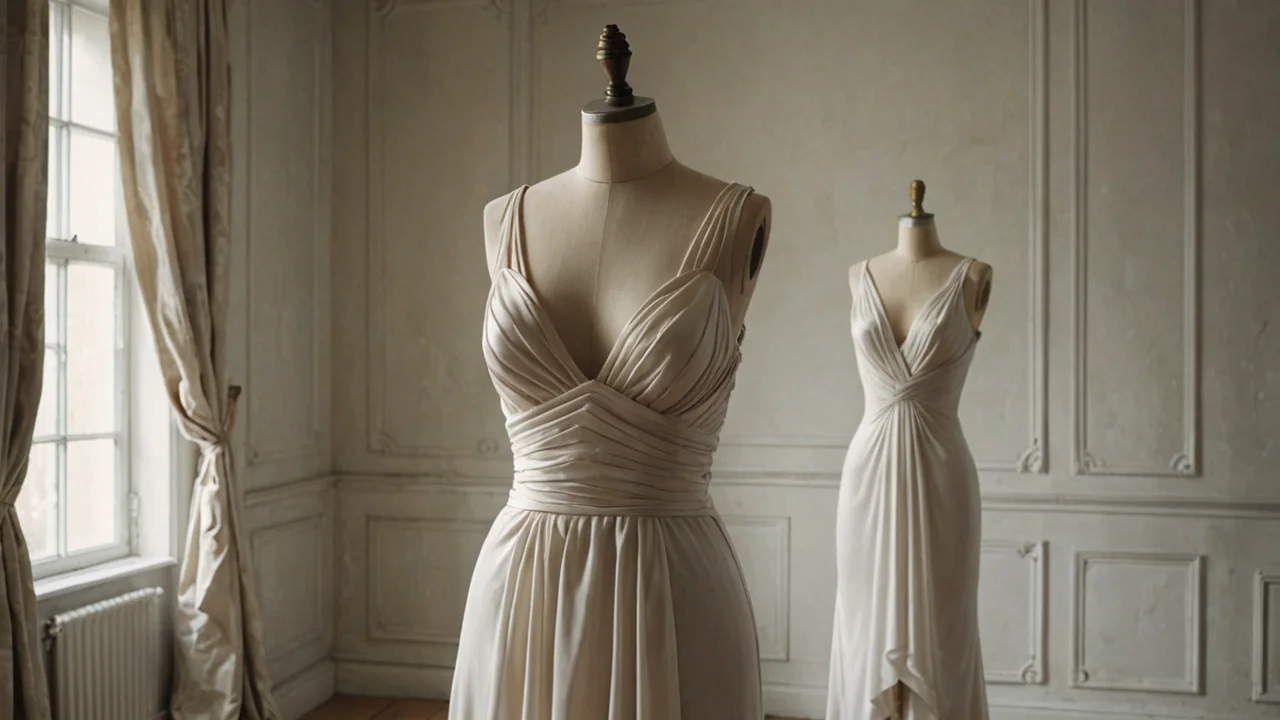
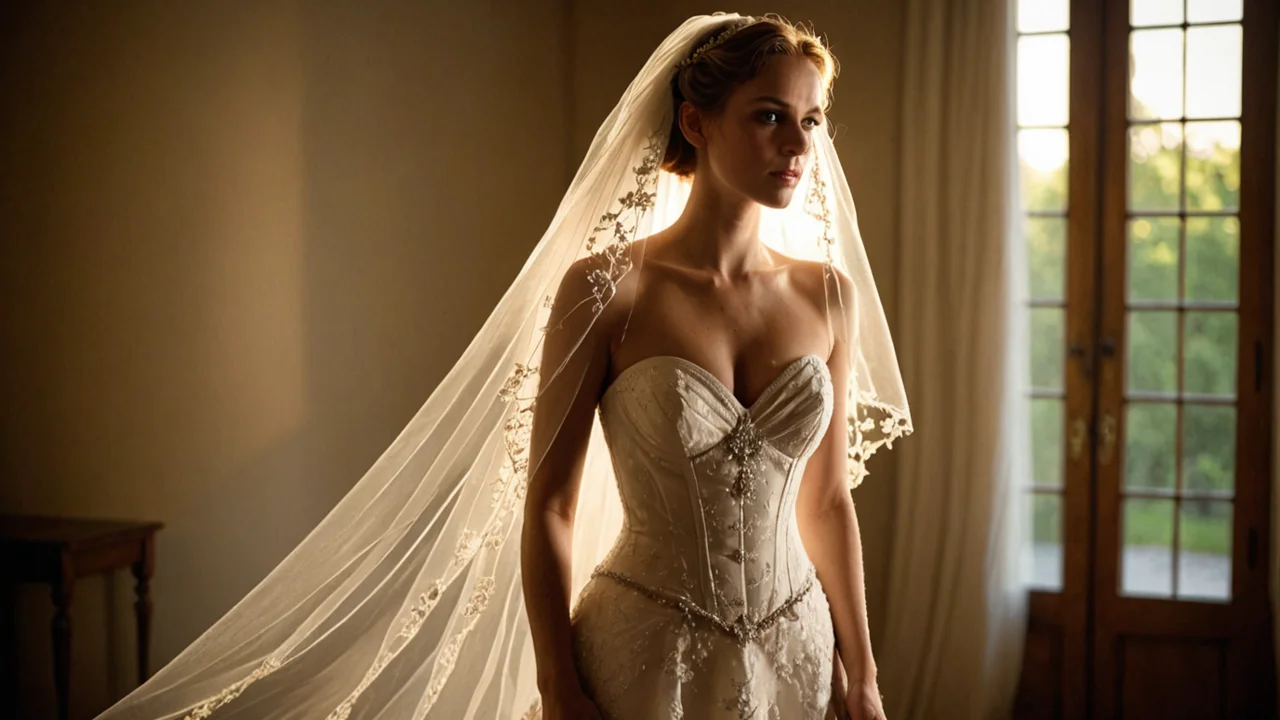
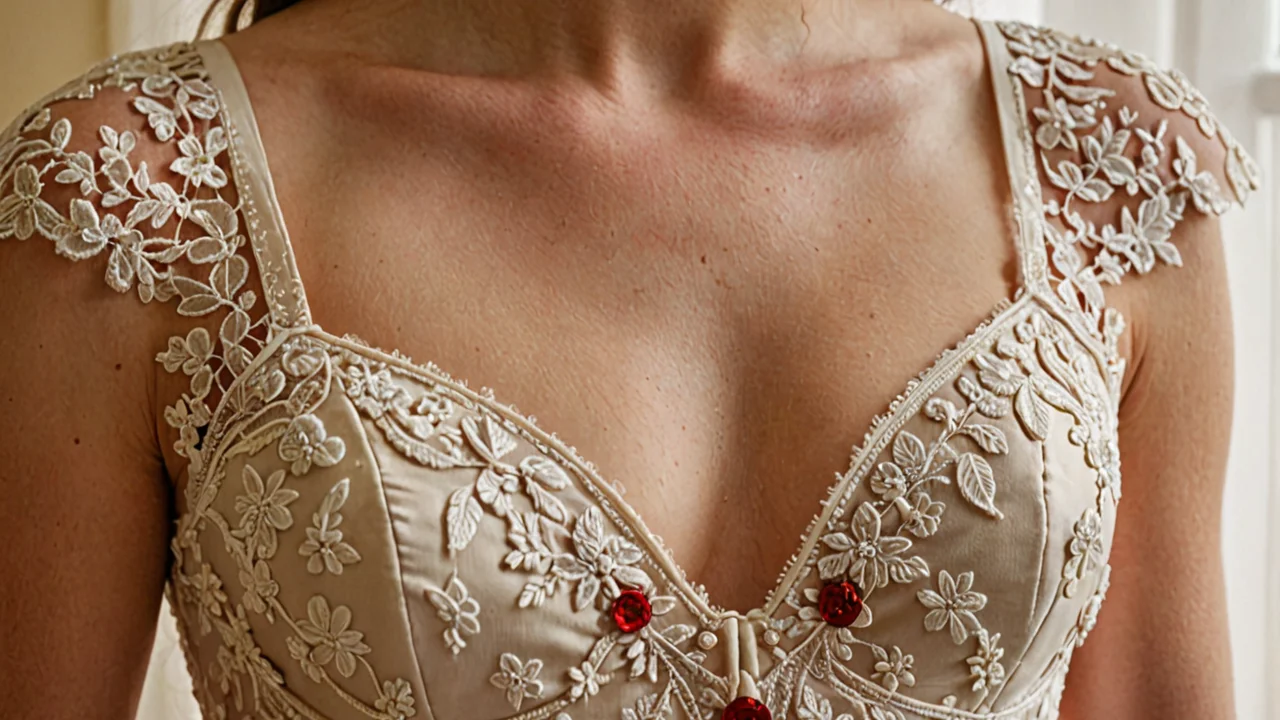
Attire is a timeline item as much as a taste item. Alterations take multiple fittings over weeks, and a dress or suit that is still being altered close to the date cannot absorb a mistake. Shoes need breaking in before the day; a new pair worn for the first time at the ceremony is a blister with a schedule. If the ceremony is outdoors, the attire has to survive the ground: heels sink, trains collect debris, and dark suits show every piece of lint in direct sun. Have a plan for the walk between ceremony and reception, because that walk is where the dress gets dirty and the schedule slips.
Photography is best booked early and briefed specifically. Give the photographer the timeline and a short list of must-have groupings, and name a family member or planner who can actually gather those people, because the photographer cannot both shoot and herd. The list of formal groupings should be short and written; a long list eats the cocktail hour. Build in a buffer between the ceremony and the portraits, because the ceremony always runs a few minutes long and the receiving line always runs longer than expected.
The cost of over-scheduling is visible in the photos: a couple who is rushed looks rushed. The cost of under-scheduling is missing the light and the guests. The workable middle is a written timeline with real buffers, shared with every vendor who touches the day, and a designated person who owns the clock so the couple does not have to.
What all of this costs, and how to decide in what order
The details layer is where a wedding budget quietly doubles, because each item is small and the total is not. The order that protects you is: legal and ceremony essentials first (officiant, license, rings), then guest-facing logistics (invitations, seating, food timing, sound), then photography and attire (long lead times), then decor and favors (flexible, cuttable). Anything with a printing plate, a custom fabrication, or a fitting schedule belongs in the early group regardless of how small it looks, because its lead time is the constraint, not its price.
| Detail | What drives the cost | When it must be locked | What goes wrong if rushed |
|---|---|---|---|
| Engagement and wedding rings | Metal, setting, custom work, sizing | Well before the ceremony; sizing after | Band will not sit flush; ring cannot be resized again |
| Invitations | Printing method, plates, addressing, postage | After guest list and venue are final | Reprint charges; wrong count; late RSVPs |
| Ceremony script | Officiant, readings, legal requirements | Before the rehearsal | Ring handoff fumbled; license problem discovered late |
| Seating and catering count | Guest count, table shapes, service style | At the caterer's deadline | Scrambling, empty seats, slow service |
| Photography timeline | Hours booked, first look decision, travel | Before contracts are signed | Portraits in bad light; couple misses cocktail hour |
| Attire and alterations | Fabric, custom work, number of fittings | Weeks before, with buffer for error | Ill-fitting garment; no time to fix |
The trade-off at the center of all of it is control against ease. Every detail you personally specify costs you attention and often money, and buys a day that looks like you chose it. Every detail you delegate costs some of the specificity and buys you a wedding you can actually attend. The couples who end up happiest with the details layer are not the ones who did the most; they are the ones who decided early which handful of things mattered enough to control, wrote those down, and let the rest run on a good vendor and a clear timeline.
Two limits worth stating plainly. First, none of these details can rescue a wrong venue or an unmanageable guest count; fix those first or the rest is decoration on a broken frame. Second, tradition is a menu, not a checklist. The three months' salary figure and the one month's pay benchmark are both folklore, the fourth finger of the left hand is custom rather than law, and a wedding without favors, without a first look, or without a unity ritual is still a wedding. Choose the details that carry meaning for you, price them honestly, and put a date next to each one.